
Published · Updated
By Labco Marine · Shipping & Maritime Insights
A practical overview of general average, cargo security and the records that help maritime interests manage an adjustment.
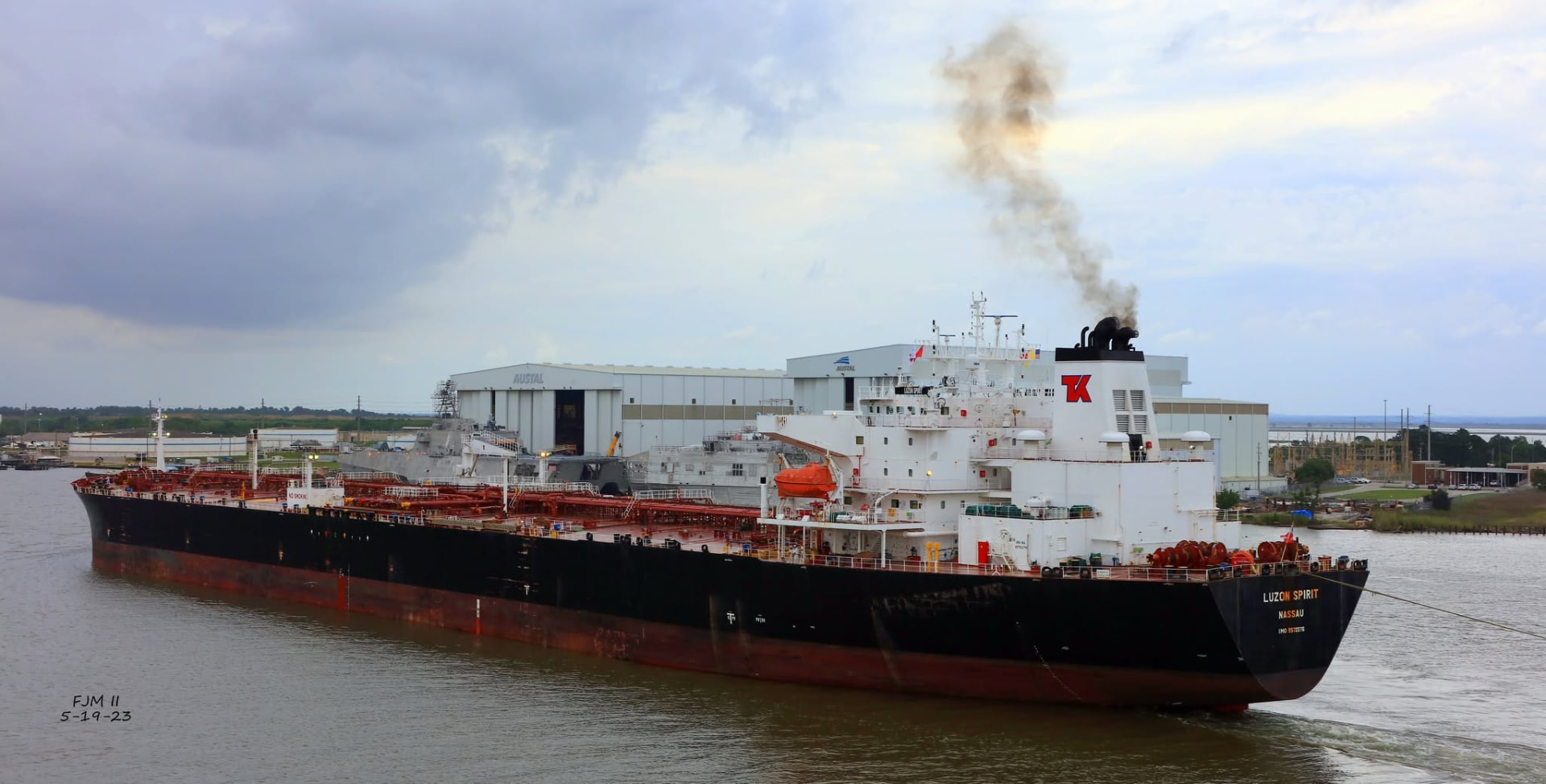
A maritime casualty can create financial obligations for cargo interests even when their own goods are undamaged. General average is the mechanism through which qualifying extraordinary sacrifices or expenditure for the common safety of a maritime adventure are shared among the contributing interests. It is not a label for every loss, delay or cost arising during a voyage.
The contractual starting point matters. The bill of lading or charterparty may incorporate a particular version of the York-Antwerp Rules. The Comité Maritime International publishes the 2016 Rules with the technical change to the interest provision adopted in 2022, and notes that older versions remain in commercial use. Parties should establish which rules their contract actually incorporates rather than assuming the latest version governs.
After a declaration, an average adjuster gathers information about the adventure, the measures taken and the values of the contributing interests. The declaration itself does not settle every question of entitlement, allocation or liability. The adjustment and any separate rights under the contract of carriage require careful review.
Cargo release may be subject to satisfactory security. The required form can involve a bond from the cargo interest and a guarantee from an insurer, or other arrangements accepted for that case. Cargo owners should notify their insurers promptly, identify the adjuster and use the actual security instructions supplied for the incident. A request for security should not be confused with the final amount of a contribution.
Documents are central to the process. Bills of lading, invoices, evidence of cargo value, survey reports, communications and records of delivery help connect the affected shipment to the adjustment. Keeping those records together also assists insurers and advisers when reviewing any recovery rights or possible time limits.
The best preparation is practical: understand the carriage terms, arrange appropriate cargo cover and know who will respond if security is requested. Following a casualty, seek advice before signing documents and track deadlines independently of the adjustment timetable. This explainer describes the process; it does not announce a casualty, a declaration or a recovery by Labco Marine.