
Published · Updated
By Labco Marine · Shipping & Maritime Insights
How Hormuz disruption brings hire, demurrage, war-risk premiums and insurance conditions into focus for shipping contracts.
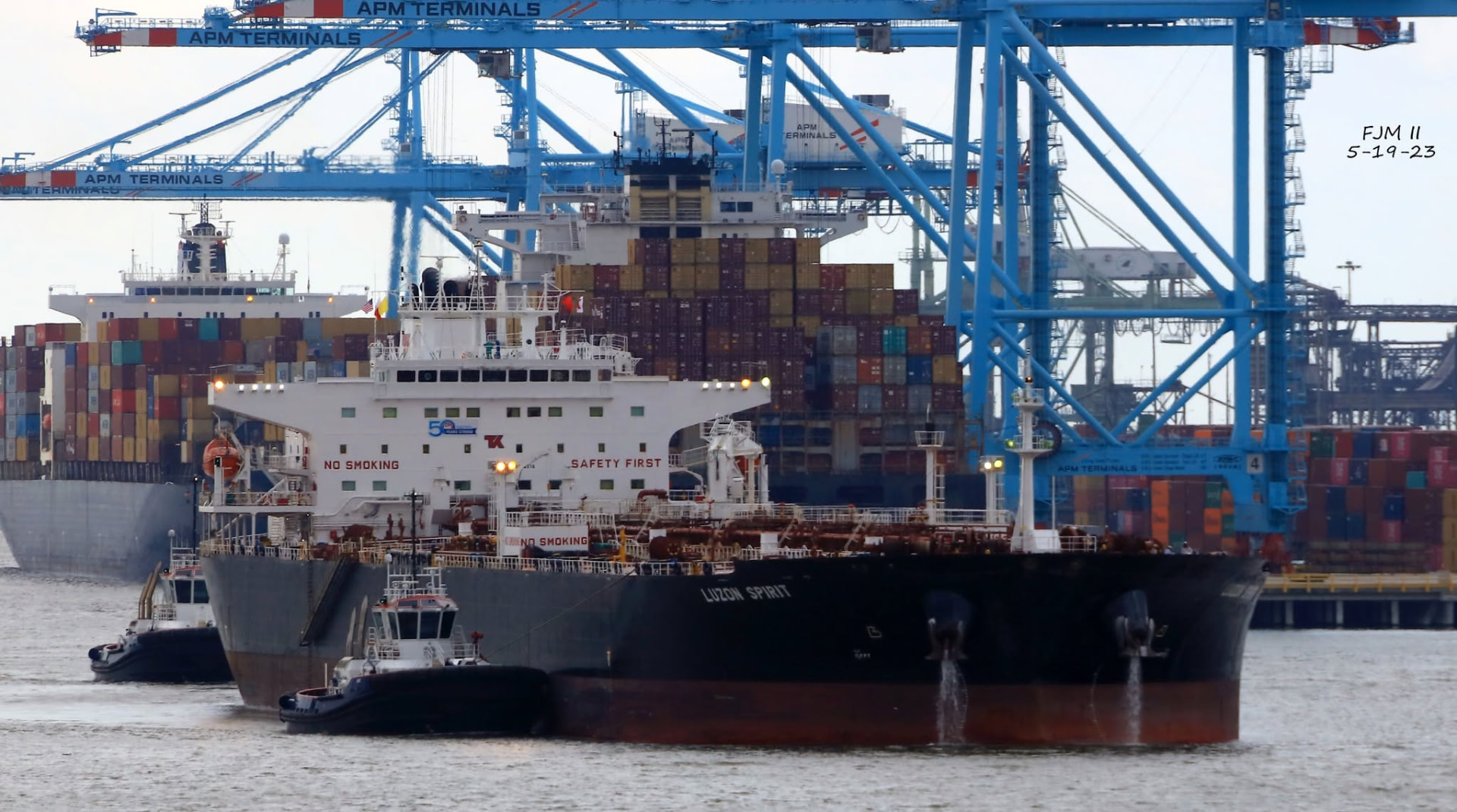
Disruption around the Strait of Hormuz raises two separate questions for a shipping business: what can the vessel safely do, and who must pay when the agreed voyage cannot proceed as planned? The answers are not interchangeable. A decision made to protect the crew or vessel may still leave owners, charterers and cargo interests with competing contractual positions.
In its 3 July 2026 reporting, Lloyd’s List identified hire status, demurrage and detention, and responsibility for war-risk premiums as potential flashpoints. Those are reported industry concerns, not findings that every affected fixture has produced a dispute. Each contract must be examined on its own terms, including the governing law and the facts of the voyage.
Under a time charter, the question of whether hire continues turns on the relevant provisions and the circumstances causing the interruption. Under a voyage charter, notice of readiness, the commencement of laytime, exceptions and demurrage provisions require separate analysis. An operational delay does not, by itself, establish that a vessel is off-hire or that demurrage is payable.
War-risk provisions and insurance conditions deserve attention before an instruction to proceed is given. Parties should establish who may refuse or amend orders, how additional premiums are allocated, and what notices or approvals the insurer requires. Hull, cargo and liability policies serve different purposes; confirmation under one policy should not be treated as confirmation under all of them.
An effective record should connect each instruction with the information available at that moment: port and security advisories, communications with the master, proposed alternatives and responses from insurers or counterparties. Where a route change is considered, the assessment should address both the safety implications and the contractual consequences, without assuming that a longer or more expensive voyage is automatically excused.
For commercial planning, the priority is to identify the applicable clauses before costs accumulate. Vessel operators and cargo interests should involve their brokers, insurers and maritime lawyers early, preserve evidence and agree practical arrangements where possible. This article is an industry overview, not a determination of liability or a report of a Labco Marine claim.