Labco Marine wishes to inform you of a serious development affecting maritime operations in one of the world’s most critical shipping regions. Following the declaration of a total work stoppage at the Strait of Hormuz and Fujairah ports by the International Longshoremen’s Association, Labco Marine has formally invoked the Force Majeure clause in the relevant contracts and bills of lading that cover these routes.
This announcement is meant to provide clarity on what this means for your shipments, why Force Majeure applies in this situation, and how we will communicate as circumstances evolve.
Why Labco Marine Is Invoking Force Majeure
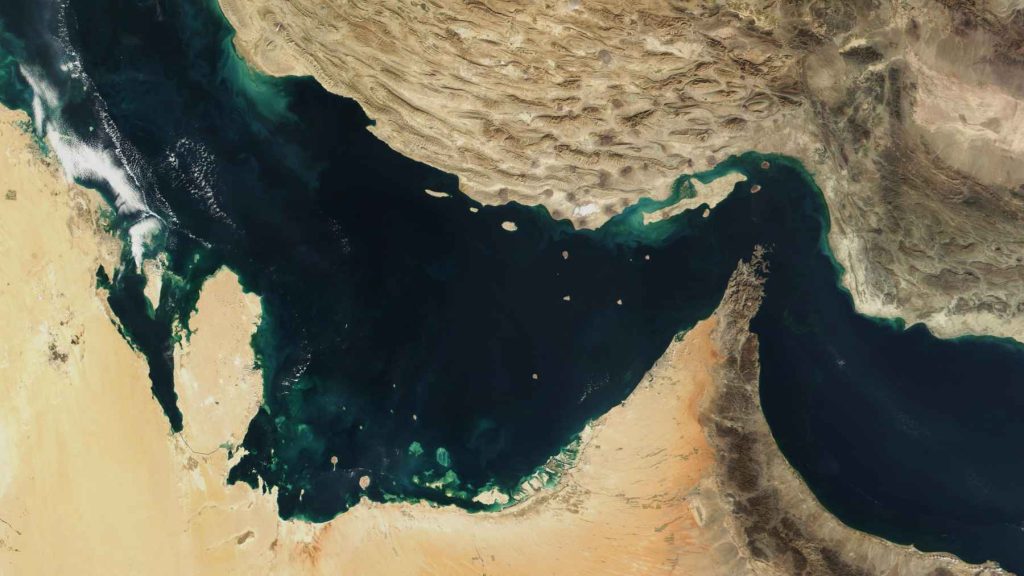
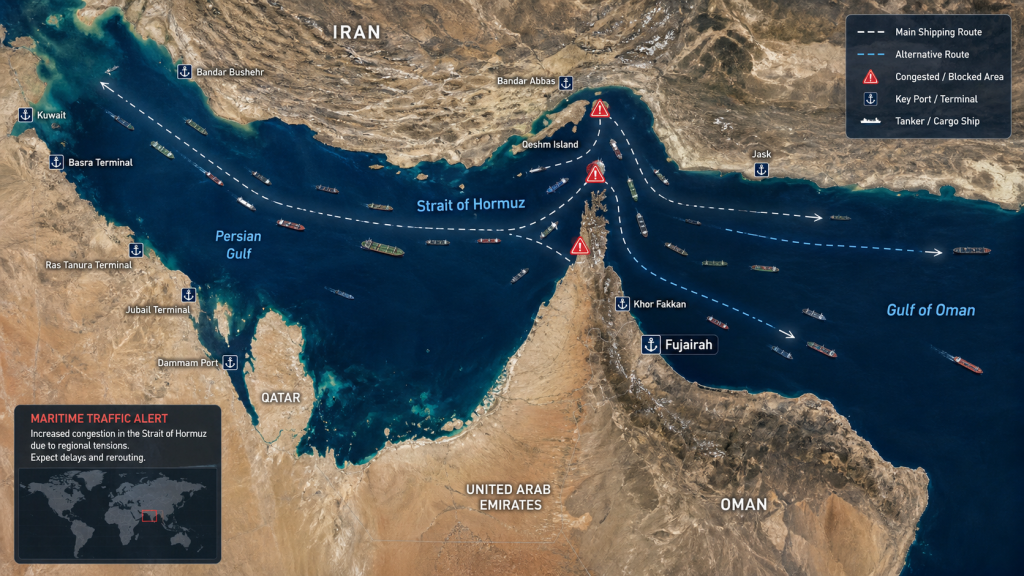
The Strait of Hormuz and the port of Fujairah serve as vital corridors for global cargo and energy flows, connecting Gulf producers and international markets. When work is halted at these locations, the impact is immediate and far-reaching, affecting not just regional trade but supply chains worldwide. [web:22][web:28]
The International Longshoremen’s Association has declared a total work stoppage in these ports, meaning terminal operations, cargo handling, and related port services are effectively frozen. In practical terms, ships cannot be loaded or discharged, and normal port activities are interrupted. Under the terms of Labco Marine’s contractual arrangements, such a strike and work stoppage falls squarely within the scope of a Force Majeure event.
Definition of Force Majeure in Labco Marine Bills of Lading
For ease of reference, Labco Marine’s bills of lading define Force Majeure as follows:
“Force Majeure shall include, but not be limited to, work stoppages, civil commotion, strikes, accidents, casualties, lockouts, fire, transportation disasters, acts of God, governmental restraints (including governmental import restrictions and voluntary quotas arising from the threat of governmental restraints), war or hostilities, embargoes or other similar conditions.”
This definition is not limited to one type of disruption. It clearly covers strikes, work stoppages, war, hostilities, and governmental restraints, all of which are relevant in the current situation. When such circumstances occur, and when they prevent our ability to perform as originally intended, Labco Marine is entitled to rely on the Force Majeure clause to suspend or adjust contractual obligations. [web:21][web:27]
Impact of the Israel–US and Iran War on Operations
The labor action at the Strait of Hormuz and Fujairah is taking place against the backdrop of a wider conflict involving Israel, the United States, and Iran. This ongoing war has already reduced traffic through the Strait of Hormuz and raised major concerns for vessel safety, insurance, and navigation. Several global carriers have partially or completely suspended sailings through the area in order to protect crew and assets. [web:22][web:28]
Taken together, the armed conflict and the total work stoppage create a situation where Labco Marine, like many others in the market, is in the way originally anticipated under its contracts. On both legal and practical grounds, this qualifies as a Force Majeure event under the wording of our bills of lading and under established principles of maritime and common law. [web:21][web:30]
What This Means for Your Contracts and Shipments
By invoking Force Majeure, Labco Marine recognizes and formally declares that the current catastrophe prevents us from performing certain obligations as originally promised in affected contracts. This includes, but is not limited to:
- Carriage of cargo to or from the Strait of Hormuz and Fujairah ports.
- Scheduled calls in the affected region and surrounding terminals.
- Delivery timelines and route commitments that depend on normal operations in these ports.
Under Force Majeure, Labco Marine may suspend, delay, reroute, or, where necessary, cancel performance to the extent that operations are hindered by the work stoppage and security situation. This does not mean that we abandon our obligations entirely; rather, it acknowledges that certain obligations cannot be fulfilled until conditions improve or alternative arrangements become possible.
Affected parties are hereby notified that Labco Marine claims all rights available to it under contract and/or under general maritime and common law. This ensures that we are legally protected when we cannot perform due to circumstances beyond our control, while still working in good faith to minimize disruption wherever practicable.
Expectations Once the Work Stoppage and Conflict Ease
Labco Marine will continue to monitor the situation closely. Once the Israel–US and Iran war has passed, and once the total work stoppage in the Strait of Hormuz and Fujairah begins to lift, we will advise you of any change in status. [web:22][web:28]
It is important, however, to set realistic expectations for the period following resolution. Even after the strike is called off and port operations resume, it is highly likely that:
- Port congestion will be severe, as vessels that were waiting or diverted attempt to enter the system at once.
- Berthing windows and schedules will be disrupted, and re-allocation will take time.
- Cargo handling delays may persist for weeks, as ports clear backlogs and restore normal workflows.
Our team will aim to manage these consequences in a transparent and structured manner, keeping you informed as new information becomes available. Nevertheless, some level of delay and rescheduling should be expected as the industry absorbs the shock of both the conflict and the labor dispute.
How Labco Marine Is Responding Operationally
In response to the Force Majeure event, Labco Marine is reviewing all affected sailings, bookings, and contracts linked to the Strait of Hormuz and Fujairah ports. Where possible, we will:
- Reroute vessels through alternative hubs that remain operational and safe.
- Seek substitute ports for discharge or loading, subject to customer agreement and local regulations.
- Communicate revised estimated times of arrival (ETA) and delivery schedules as soon as reasonably practicable.
These steps cannot fully eliminate the impact of the stoppage, but they can help reduce uncertainty and provide workable alternatives for some cargo flows. Our priority is to maintain the safety of our crews, protect customer cargo, and uphold our legal obligations while recognizing the limits imposed by the current situation.
Guidance for Customers and Partners
We understand that this announcement may cause concern, especially for businesses that rely on predictable transit times and continuous supply. To navigate this period more effectively, we encourage you to:
- Review your own contracts and insurance arrangements that reference Force Majeure and port disruptions.
- Assess inventory levels and contingency plans for critical shipments that transit the affected region.
- Stay in close contact with our teams to receive route-specific and vessel-specific updates.
Early communication is essential. If you foresee particularly sensitive cargo needs—such as time-critical deliveries, high-value shipments, or products linked to production lines—please flag them to your Labco Marine contact so we can jointly explore options.
Contact Points for Further Questions
Should you have any questions regarding this Force Majeure declaration, the status of your cargo, or potential alternatives, please reach out to your usual LCM Sales Representative or our Customer Service Team.
Our teams are prepared to assist with:
- Contractual clarifications relating to the Force Majeure clause.
- Shipment-specific information and updated routing where available.
- Coordination with your logistics and planning departments to reduce knock-on effects.
We appreciate your patience and understanding during this challenging time. Labco Marine remains committed to honest communication, responsible decision-making, and the long-term support of our customers and partners throughout and beyond this crisis.
Thank you for your attention.